

Laser thickness measurement
February 21, 2023
Laser thickness measurement is a non-contact technique used to measure the thickness of various materials such as metals, plastics, rubber, textiles, and paper. The technique involves the use of a laser to measure the distance between the surface of the material and a reference point, which can be used to calculate the thickness of the material.
One of the main benefits of laser thickness measurement is its accuracy. The use of a laser allows for highly precise measurements, with some systems capable of measuring thicknesses to within microns. This level of accuracy is essential in industries where even small variations in thickness can have significant impacts on product quality and performance.
Another advantage of laser thickness measurement is its speed. Unlike traditional contact-based techniques, such as using calipers or micrometers, laser systems can measure thicknesses quickly and without the need for physical contact with the material. This not only reduces the time required for measurements but also reduces the risk of damage to the material being measured.
Laser thickness measurement systems use various techniques to measure the distance between the material surface and the reference point. Some systems use triangulation, where the laser beam is directed at an angle to the material surface and the angle of reflection is used to calculate the distance. Other systems use time-of-flight measurements, where the laser pulse is emitted and the time taken for the pulse to reflect back is used to calculate the distance.
Laser thickness measurement systems are used in a wide range of industries, including the manufacturing of metal products, plastic products, textiles, paper products, and more. They can also be used for quality control, where the thickness of the material is used to ensure that it meets the required specifications.
In conclusion, laser thickness measurement is a highly accurate and efficient technique used to measure the thickness of various materials. Its non-contact nature, high accuracy, and speed make it a valuable tool in a wide range of industries, and its ability to improve product quality and reduce waste has made it an essential part of modern manufacturing processes.
Laser thickness measurement is a highly accurate and efficient technique used to measure the thickness of various materials

"
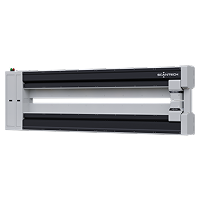
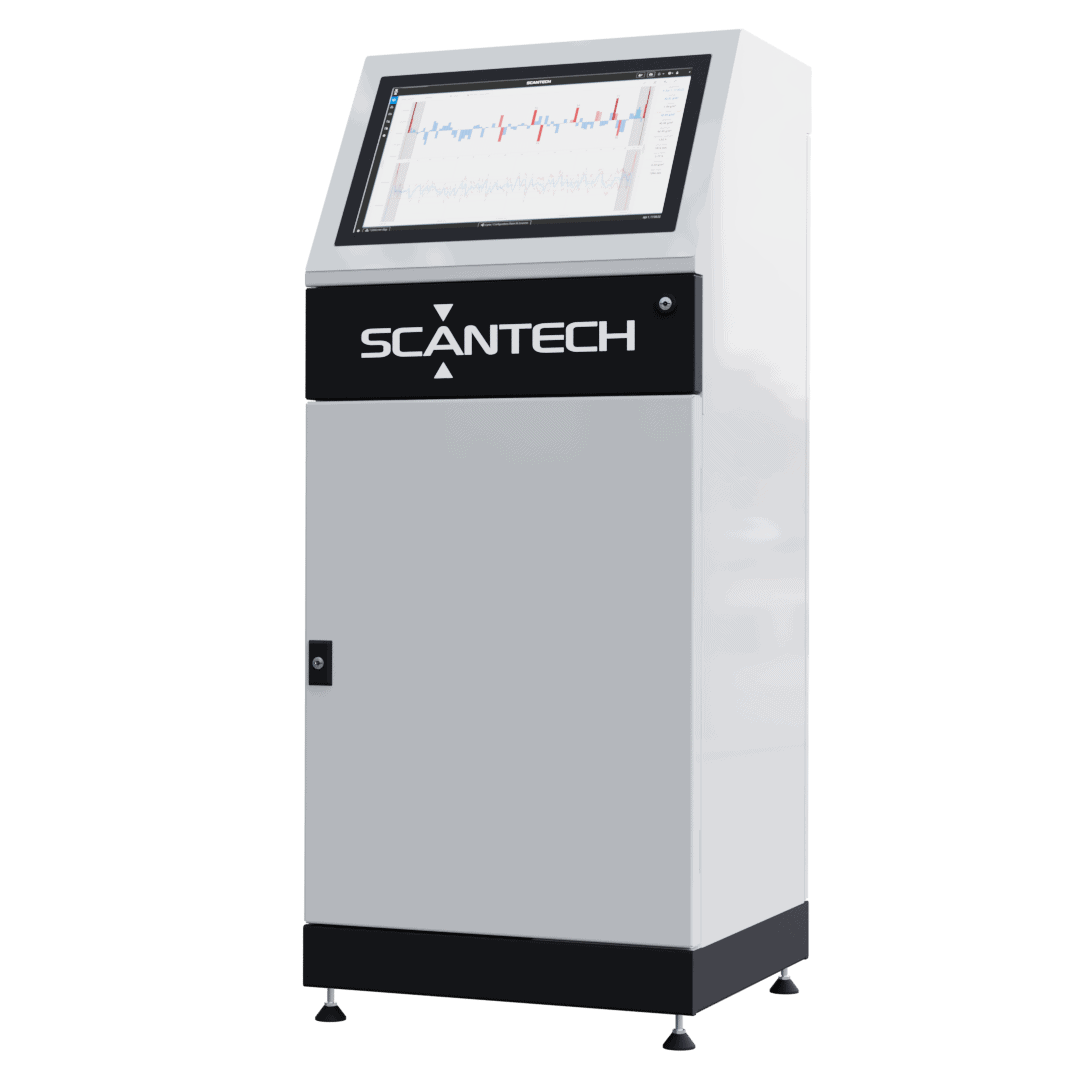
Discover our measurement solutions for the Laser thickness measurement.
Related Articles
Asian Listed Battery Companies Gaining Market Value & Market Share
Over the past year, battery manufacturers and materials companies listed in China have outperformed their domestic stock markets by continuing to consolidate their global market share in electric vehicle batteries, energy storage, and data center batteries. Strong...
Aseptic vs. Chilled Packaging Materials
Discover the key differences between aseptic and chilled packaging materials. Learn how Scantech’s advanced measurement solutions optimize production for both technologies.
Enhancing Aseptic Package Production
Optimize aseptic package production with Scantech’s advanced measurement solutions. Improve quality, productivity, and safety.